
Hair and Beauty Training Courses: Accredited Pathways from Entry Level to Level 3 That Re-Engage Learners and Build Career-Ready Skills

Hair and beauty training courses can provide more than practical skills. For schools and local authorities, a well-planned vocational pathway can give a young person a purposeful way to re-engage with learning, build confidence and work towards a next step. For adult learners and employers, it can support skills development through structured, practical training.
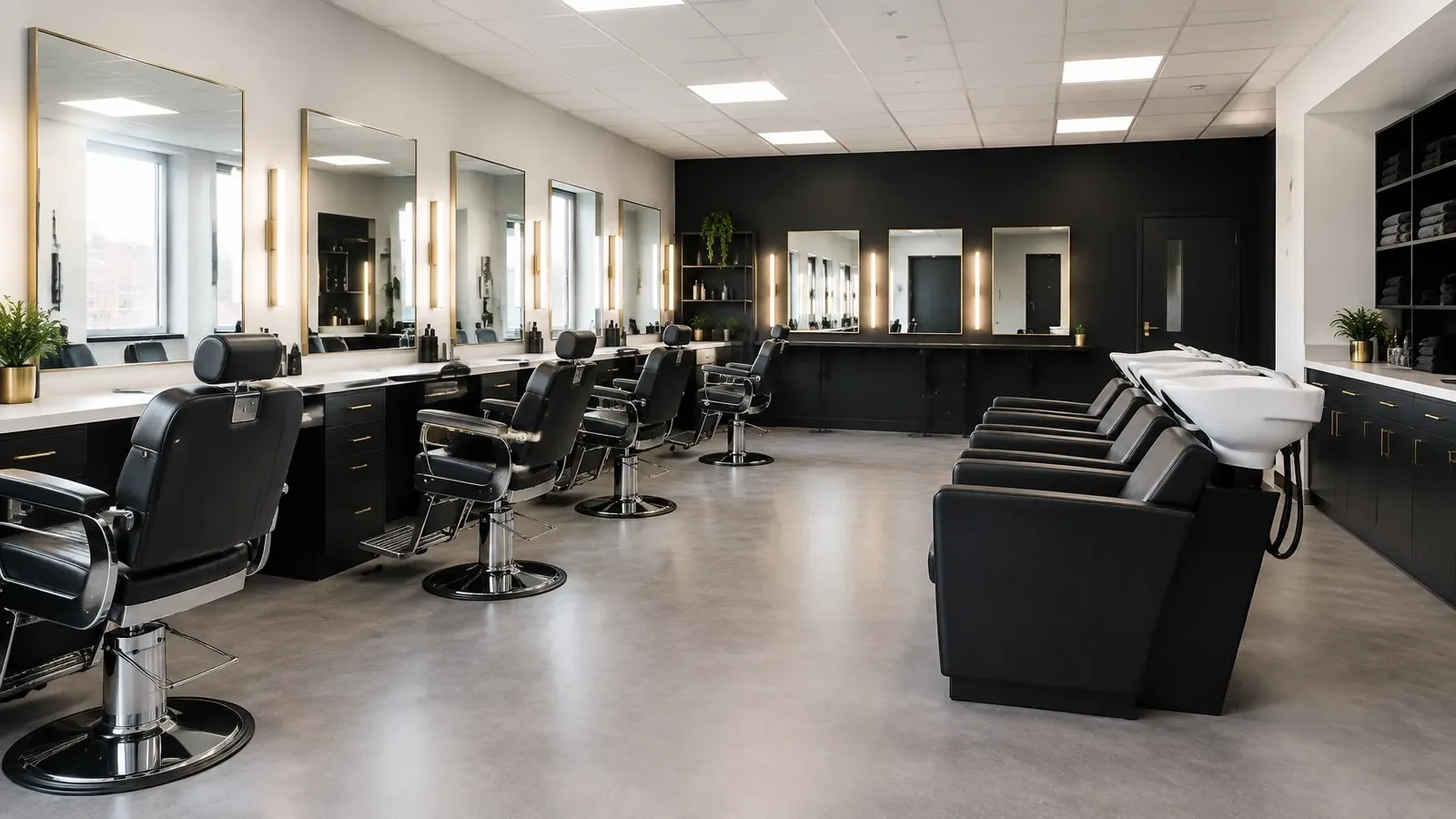
Younique Talent Training CIC is an approved delivery centre for ASDAN and AQA. We deliver hair, beauty, barbering and nails provision from Entry Level to Level 3, with pathways shaped around learner starting points and goals. The right programme combines practical activity with clear assessment, evidence of achievement and planned progression.
Who can benefit from hair and beauty training courses?
Hair and beauty learning can suit people with different needs and ambitions. The delivery and qualification route should reflect the learner’s current skills, support needs and intended progression.
- Schools and alternative provision coordinators can consider vocational learning for pupils who are at risk of exclusion, have been permanently excluded or need a different way to engage with education.
- Local authorities can explore structured provision for learners with SEND and young people who need an accountable alternative pathway.
- Individual learners and home-educated young people can gain practical experience and explore whether the sector is right for them.
- Adult learners can develop vocational skills and work towards further study or employment.
- Employers can discuss practical staff development that responds to role requirements and operational needs.
For school and local authority referrals, our alternative education provision is designed to work alongside the learner’s wider support arrangements. Discuss the learner’s needs and the current provision before agreeing on a programme.

What might a pathway from Entry Level to Level 3 include?
A learner does not need to start at the same point as their peers. Entry Level qualifications are divided into Entry 1, Entry 2 and Entry 3; Entry 3 is the most demanding of the three. Levels 1, 2 and 3 represent further stages, but the right next step depends on the specific qualification and the learner’s readiness.
| Stage | Possible focus | How it can support progression |
|---|---|---|
| Entry Level | Introduction to hair and beauty, basic practical activities, communication and safe working routines | Builds familiarity, confidence and evidence of developing skills |
| Level 1 | Foundational vocational techniques and sector knowledge | Provides a structured next step for learners ready to develop core skills |
| Level 2 | More focused study in areas such as hairdressing, barbering, beauty or nails | Can support progression towards further vocational study, work experience or employment routes |
| Level 3 | Advanced study, depending on the qualification and learner’s previous experience | Can extend technical development and support progression to further study or relevant work opportunities |
The exact course title, awarding organisation, assessment method and entry requirements should be confirmed for each cohort. A level alone does not describe every skill a learner will develop or guarantee a particular job outcome.
How can accredited vocational learning support re-engagement?
For some young people, practical activities offer a more accessible way to participate than a programme centred on written tasks. Hair and beauty learning can turn abstract expectations into visible steps: prepare equipment, follow a sequence, practise a technique, respond to feedback and reflect on the result.
Those steps also create opportunities to develop transferable skills. A learner may practise communication during a consultation exercise, numeracy when measuring or timing, and responsibility when following hygiene and safety procedures. Tutors can record progress against agreed targets, so discussions with schools, families and support teams can focus on evidence rather than impressions alone.
Where an individual learner benefits from adjustments, these should be planned around their needs and the assessment requirements. Visual instructions, demonstration, repetition, structured routines and appropriate pacing can make participation clearer. Safeguarding, supervision, suitable equipment and safe working practices remain part of planned delivery.
Find out more about our blended alternative education provision.
What does accreditation mean in practice?
Accreditation is not a substitute for good teaching or a suitable assessment plan. It means the learner’s achievement is recognised through the relevant awarding organisation’s framework and requirements. The evidence and certificate depend on the specific programme.
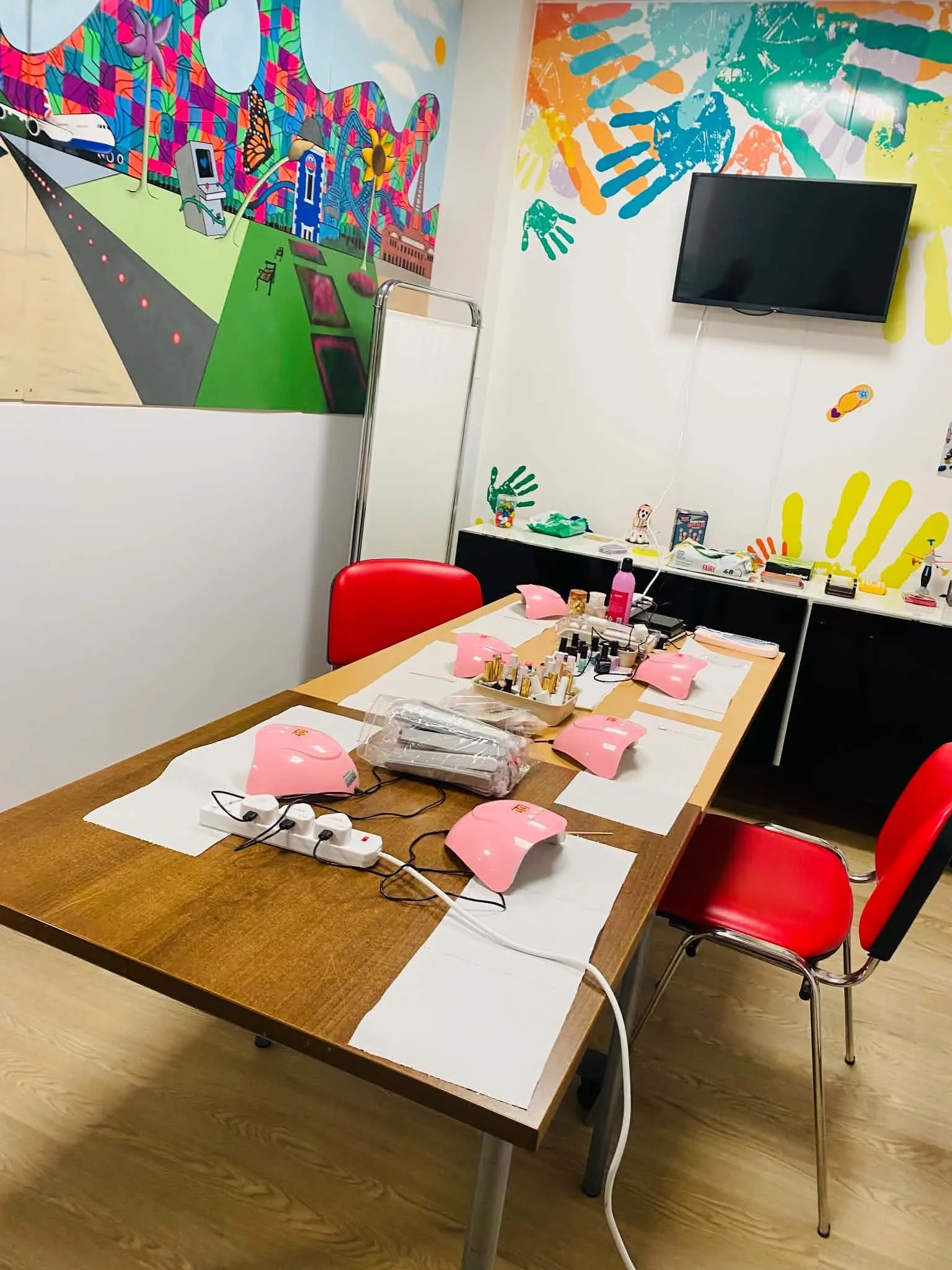
For example, ASDAN’s Hair and Beauty Vocational Taster includes activities across areas such as customer service, nail services, basic hairdressing techniques, health and safety, and careers. It can provide a structured introduction to the sector and a basis for collecting evidence.
AQA’s Hair and Beauty: Manicure Procedures unit sets out practical outcomes including following appropriate hygiene procedures and carrying out manicure steps. AQA Unit Awards recognise achievement in individual units. They should not be presented as equivalent to a full vocational qualification.
When comparing options, confirm whether the planned route is a taster, unit award or full qualification. These serve different purposes. The GOV.UK guide to qualification levels explains the broad level structure in England, Wales and Northern Ireland.
What skills can learners develop?
A structured programme can build practical knowledge alongside the behaviours expected in training and work. Depending on the course, the learner and the assessment requirements, this may include:
- Follow safe working routines, including appropriate hygiene and equipment care.
- Practise vocational techniques in hair, barbering, beauty or nails.
- Communicate professionally with tutors, peers and, where appropriate, clients.
- Respond to feedback and use it to improve practical performance.
- Build a portfolio of evidence through observation, completed tasks and reflection.
- Explore progression options such as further study, work experience or employment routes.
Completion matters, but it is not the only measure of progress. Attendance, engagement, achievement of agreed learning outcomes, practical competence and the quality of evidence can all help partners review whether a programme is working.
How should schools and employers choose a provider?
A suitable programme needs to be manageable, relevant and supported by clear delivery arrangements. Before making a referral or booking training, ask:
- Which qualification or learning route is being offered? Confirm its exact title, level, awarding organisation and whether it is a full qualification, taster or unit award.
- How will the course reflect the learner’s starting point? Share relevant information about prior learning, support needs and intended outcomes.
- How will practical skills be taught and assessed? Ask what learners will practise, what evidence will be collected and how progress will be recorded.
- What safeguards and facilities are in place? Discuss supervision, risk management, equipment, safe working practices and any adjustments required.
- What is the intended next step? Agree how learning could connect to further study, work experience, an apprenticeship application or employment exploration.
For employers, the discussion should also cover staff roles, operational requirements and how practical training can fit around the working day.
Frequently asked questions
Are all hair and beauty training courses full qualifications?
No. Programmes can include tasters, individual unit awards and full qualifications. Check the course details so you know what achievement the learner will receive and what progression it supports.
Can learners with SEND take part?
Yes. Provision can be discussed in relation to a learner’s individual needs, support arrangements and the requirements of the selected course. Agree adjustments and delivery arrangements before the programme begins.
Does Level 3 guarantee employment?
No. A qualification can support a learner’s development, but employment depends on the individual’s skills, experience, circumstances and employer requirements. A progression plan can help connect learning with further study, work experience or job opportunities.
Can adults and employers enquire about training?
Yes. Adult learners and employers can discuss their requirements and the training options currently available. Visit our workforce training page or contact Younique Talent to explore a suitable route.
Plan a pathway with clear outcomes
Effective hair and beauty training courses combine practical learning with recognised achievement, appropriate support and evidence of progression. For a young person, this can create a structured opportunity to re-engage and explore future options. For adults and employers, it can provide a practical route to develop relevant vocational skills.
Younique Talent works with schools, local authorities, learners and employers to discuss suitable delivery. Contact us to review your requirements and consider a pathway aligned with learner needs, organisational priorities and measurable outcomes.